
Our History
Founded in 1883, six years before North Dakota became a state, our founders believed they could make a difference. And they did.

UND's First Graduating Class, 1889
Like our founders, we believe no obstacle is too big and no challenge too great. Throughout our long history, we have faced our share of challenges, but each time we've come back stronger. In times of adversity, we come together and keep fighting. For us, persistence pays off.
We've Always Been Leaders in Action
Our first graduating class of six women and two men were our first Leaders in Action. Most notably, Dr. Cora Smith King was the first woman to receive a medical license in the state and was a fierce advocate for women.
Their resilience remains in all of us today. We know strong individuals make a stronger community. As people, we are fiercely independent, but as a community, we are forever family.
Just like Dr. Smith, our 179,000+ alumni are a testament to our belief that results matter. We lead not by telling, but by doing.
Generations of Leaders
UND has long been a leader in aerospace, health sciences, energy and environmental protection, and more. But we're also leaders in social change. We're #UNDproud of our alumni who stand up on the world stage.
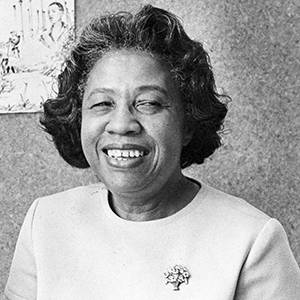
Era Bell Thompson, as editor of Ebony magazine for four decades, shone a light of understanding on how to achieve harmonious racial and gender relations. She conducted several interviews with Martin Luther King, Jr.
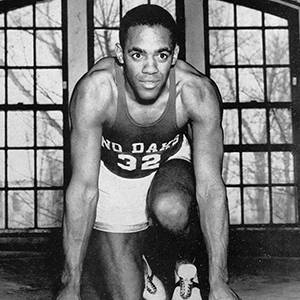
Fritz Pollard, Jr. was a member of the U.S. Track and Field Team at the 1936 Olympics during Hitler's reign. Pollard and six other black U.S. athletes put Hitler in an embarrassing position after winning 12 medals.
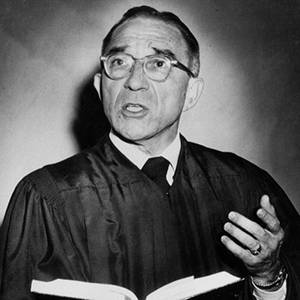
Judge Ronald Davies, as a federal judge, was the man who ordered the desegregation of the all-white Little Rock (Ark.) Central High.
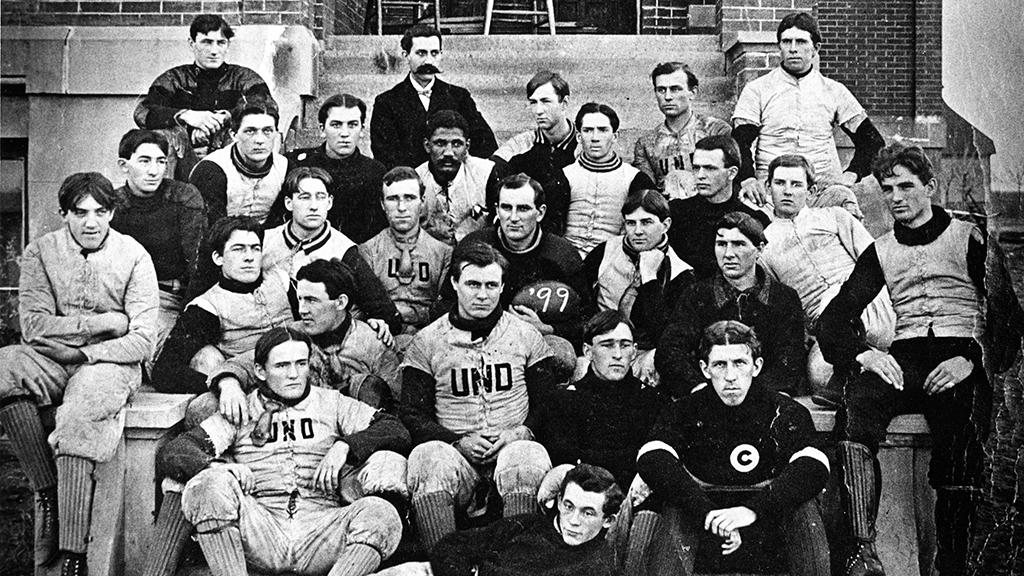

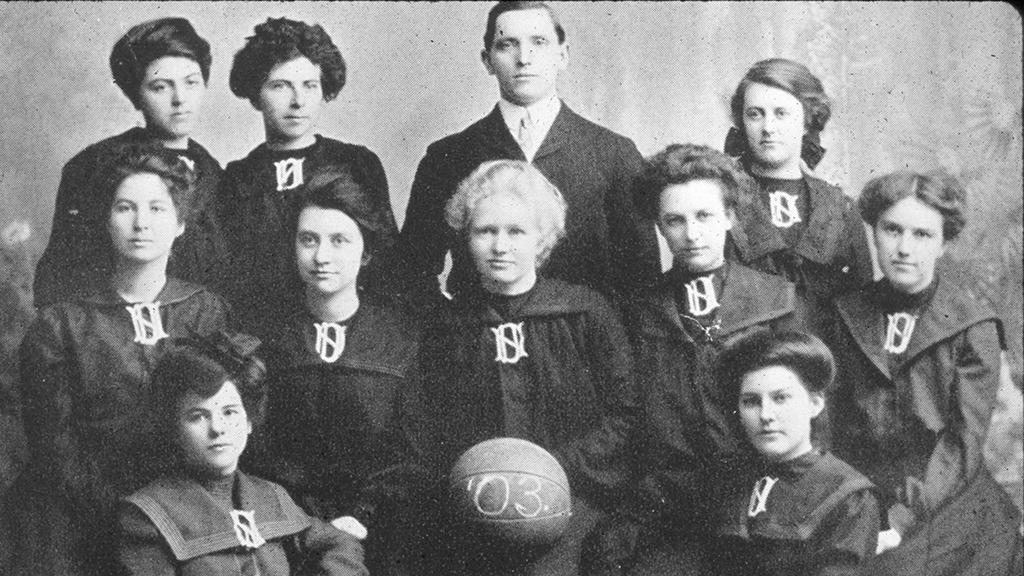
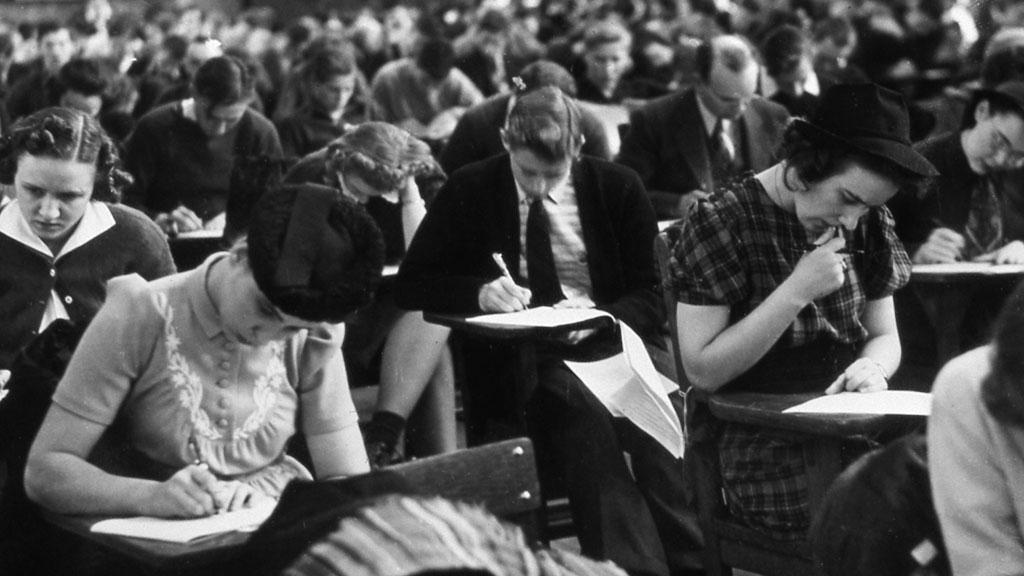


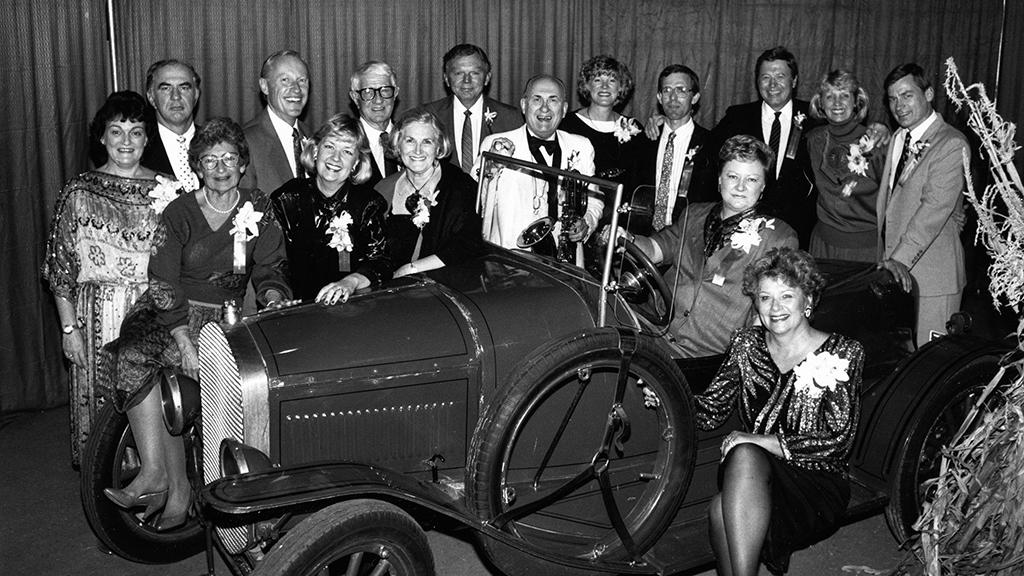
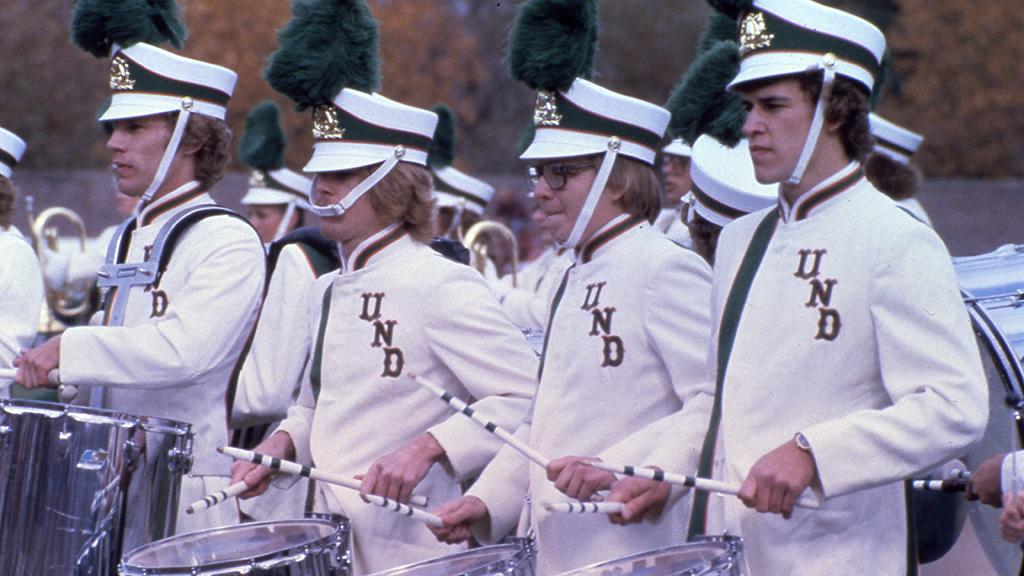
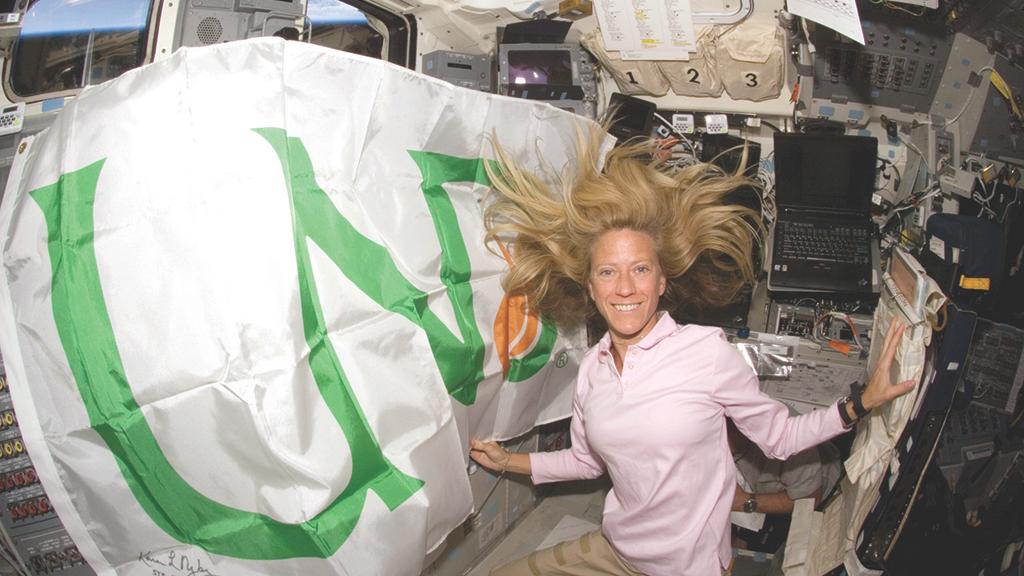
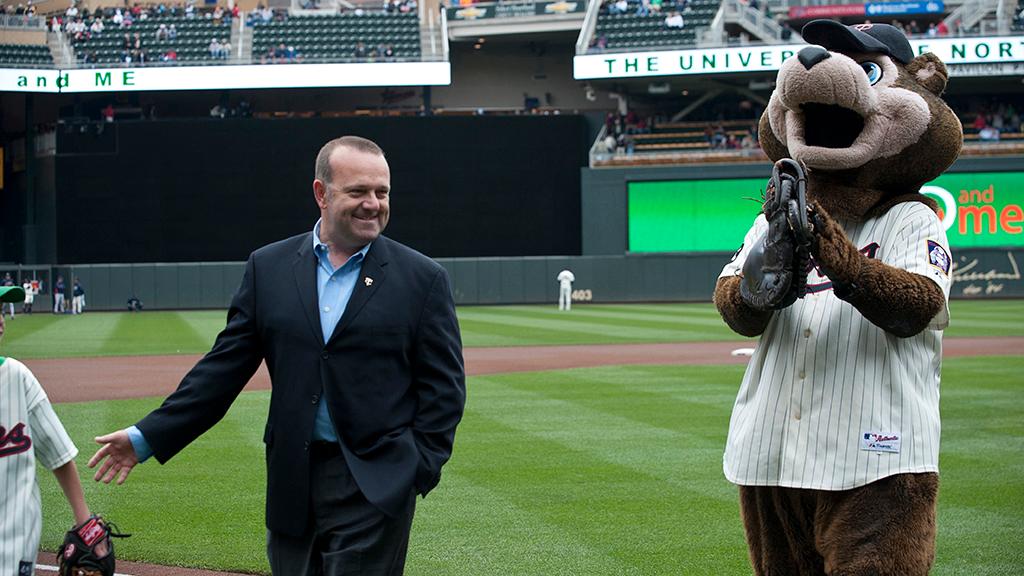


UND Fighting Hawks
Over time, our nicknames and logos have changed. But as history reminds us, our tradition does not change.
The Fighting Hawk, like all of our past mascots, embodies the collective determination of UND and our great athletes. It represents our piercing vision, our determination and our mentality to rise above adversity.
Stand Up and Cheer – Our School Song

Stand up and cheer; stand up and cheer for North Dakota!
Pledge your loyalty for she's your Alma Mater true!
Rah! Rah! Rah!
Our teams are fighting, and we are here to see them through!
We've got the team. Rah! Rah!
We've got the steam. Rah! Rah!
So North Dakota here's to you!
School Colors

In April 1889, UND’s 25 students chose green and pink as school colors, drawing inspiration from the prairie rose, which was suggestive of “our green prairies and rosy prospects.”
In 1947, in response to student feedback and the growing use of school colors for promotion, UND selected green and white as school colors.
Today, UND’s collegiate colors remain green and white. From athletics to everyday life, green and white are proudly displayed by our students, faculty, and staff in buildings and around our community.
Additionally, we continue to celebrate the legacy of our founding colors – green and pink – and preserve their special significance to UND.
Presidential Visits
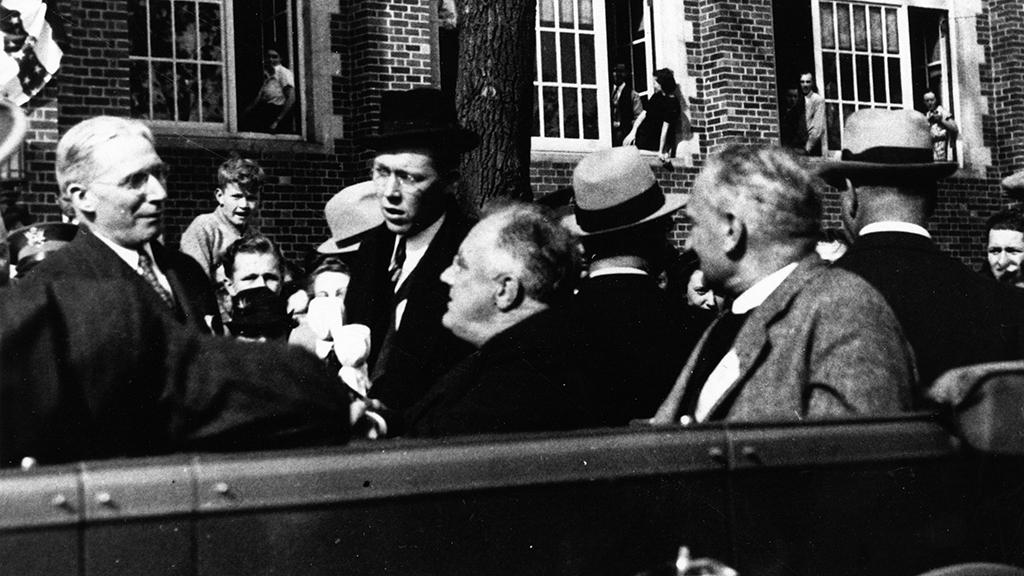
From campaign swings through the upper Midwest to a national hockey championship team visit to the White House, UND has been in the attention of six presidents of the United States: Franklin D. Roosevelt, John F. Kennedy, Richard M. Nixon, Ronald Reagan, Bill Clinton and Barack Obama.
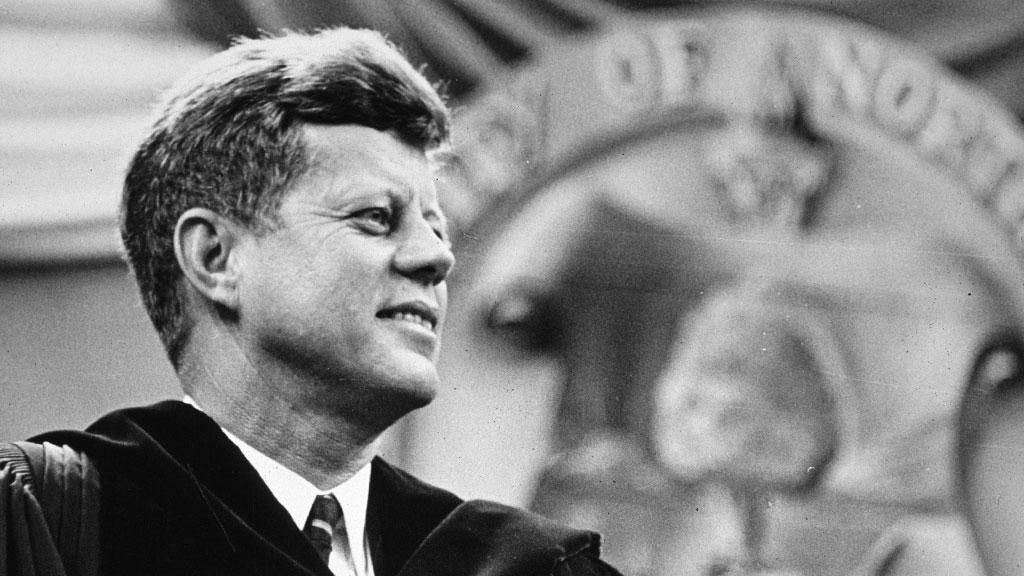

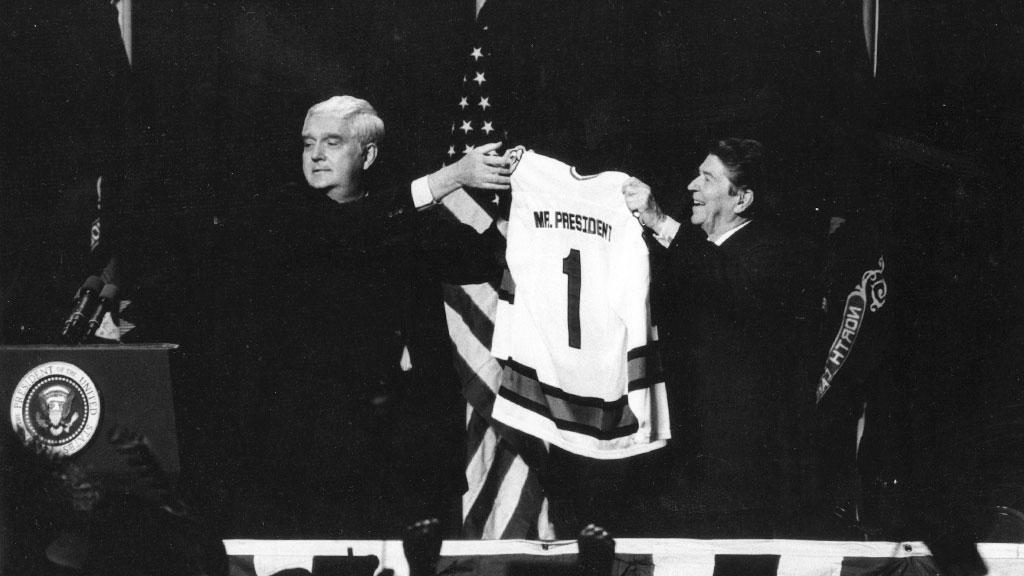
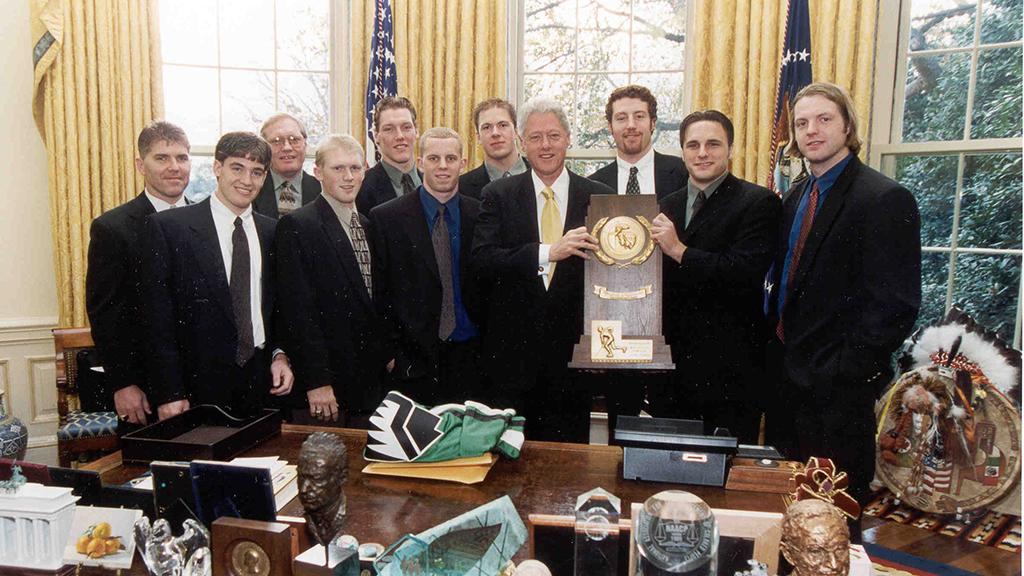

There is an old saying that things don't happen, they are made to happen.President John F. KennedySpeaking at the University of North Dakota Fieldhouse
September 25, 1963
History of UND Publications
Check out these and other UND publications to learn more about UND's history.
- University of the Northern Plains: a History of the University of North Dakota, 1883 - 1958 (1958)
- A Century on the Northern Plains: the University of North Dakota at 100 (1983)
- University of North Dakota Songbook (1983)
- A Century of UND Sports: an Athletic History of the University of North Dakota (1994)
UND Presidency Publications
- 17 Years Later: a Tribute to the Distinguished Leadership of Dr. George W. Starcher President of the University of North Dakota, 1954-1971 (1971)
- The Clifford Years: the University of North Dakota (1992)
- The Kupchella Years: 1999-2008 (2008)
Land Acknowledgment
Grand Forks, North Dakota, is the land of the Pembina and Red Lake Bands of Ojibwe and the Dakota Oyate people.